Use cases · Contribution IPTV

Every live feed, on every screen, in every office.

Cameras and studios at your production sites send their feeds to one central system, and every office sees them as a channel list on its TVs, laptops and phones. Your editorial teams watch what is happening anywhere in the company, live.

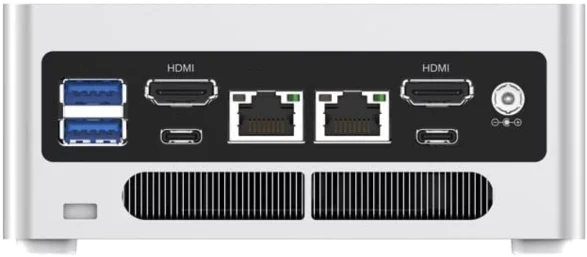
IPTV Set-Top Box with two HDMI outputs

The problem.

A media company with production sites and offices across a country has live pictures everywhere: cameras on location, studios, bureaus. The people who decide what goes on air sit somewhere else. Getting every feed in front of every editor usually means a patchwork of links, monitors and phone calls, and nobody has one view of what is live right now.

How it works.

  1. At each production site

    Cameras and studio outputs go into Framecastic encoders and are sent to the centre over the internet with SRT or RIST, or over your company network.

  2. At the centre

    The IPTV Server collects every feed into one channel list, grouped by site or programme.

  3. In every office

    A small set-top box behind each TV shows the channel list. Staff pick a feed with a remote control, or watch four at once.

  4. On laptops and phones

    The same channels play in a web browser, with no box needed.

Contribution IPTV with Framecastic Production sites send their feeds over the internet with SRT or RIST, or over the company network: a camera on location through a Portable Codec, a studio through an SDI Encoder. The central IPTV Server collects them into one channel list, with user rights deciding who sees which channel. In every office a set-top box behind each TV shows the channel list, full screen or four at once, and laptops and phones play the same channels in a browser. PRODUCTION SITES THE CENTRE EVERY OFFICE Camera Portable Codec a camera on location Studio many outputs SDI Encoder 16 feeds in one rack unit more sites across the country IPTV Server one channel list for the whole company user rights: who sees what SRT / RIST over the internet or your company network Set-Top Box behind the TV TV one feed, full screen Set-Top Box two screens four feeds at once Laptops and phones the same channels in a web browser Framecastic Your equipment

What you get.

Every site can send

One camera on location goes in through a Portable Codec. A whole studio with many outputs goes in through an SDI Encoder, sixteen feeds in one rack unit. Sites send over an ordinary internet line with SRT or RIST, or over your own network.

One channel list for the whole company

The central server turns the incoming feeds into channels with names, groups and logos. A feed that drops comes back by itself when the encoder restarts. One server carries more than 100 channels.

Who sees what

User accounts and rights decide which channels each office, team or person can see, so a feed reaches the people it is meant for.

On every TV in every office

A small set-top box behind each screen boots straight into the channel list, with no one logging in. Each box drives two screens, each showing one feed full screen or four at once, so a single box can show up to eight feeds.

On laptops and phones too

The same channels play in a web browser, with near-instant playback in the office and adaptive streaming on the move.

Easy on the network, and in view

Inside a building, channels go out as multicast: one stream per channel however many people watch it. A live viewer count per channel shows which feeds people are actually following.

What you need.

WhereUnitWhat it does
Production site, one cameraPortable CodecSends one feed over the internet
Production site, a studioSDI EncoderSixteen feeds in one rack unit
The centreIPTV ServerOne channel list for the whole company, 100+ channels
Every officeIPTV Set-Top BoxBehind each TV: two screens, up to eight feeds
Laptops and phones A web browser, no unit needed

Good to know.

  • Video format. The set-top boxes play H.264, so feeds meant for them are sent in H.264.
  • Upload at each site. A site sending over the internet needs enough upload for the feeds it sends.
  • Size of the system. One IPTV Server carries 100+ channels. More sites and more channels take more servers.

Try it on your own feeds.

Remote access to a running system first, then a pilot with a few sites and offices, with a written report you keep either way.